7 Reasons Why Data Tokenization is the Pillar for Enterprise Data Security

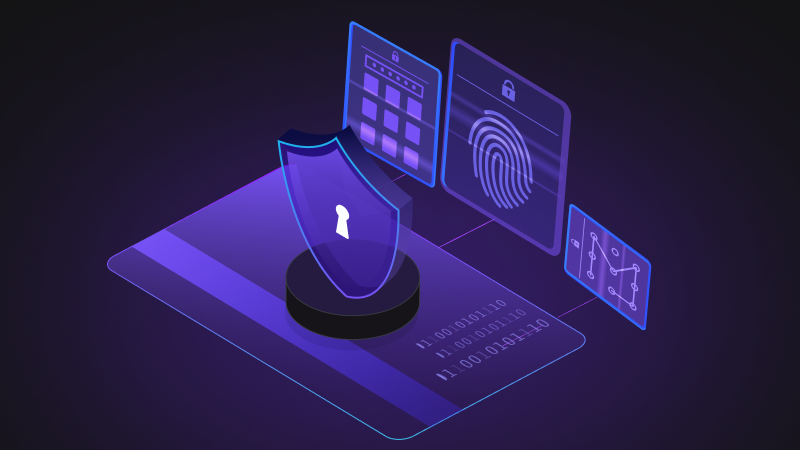
Enterprises today face the unprecedented challenge of protecting massive volumes of sensitive data while meeting strict compliance standards and enabling digital innovation. Juggling these responsibilities is no easy task. Cybercriminals are constantly evolving, and regulators keep tightening rules around privacy and data residency.
With all of these factors in play, data tokenization has become an essential part of protecting sensitive information. In this article, we’ll explore:
- What is data tokenization and how does it work?
- How database tokenization strengthens compliance and security.
- Real-world data tokenization examples that show its value.
- The link between tokenization and data residency.
- Why tokenization is the foundation of enterprise data protection strategies.
Early spoiler: tokenization is not only a compliance necessity but also a competitive advantage in today’s digital economy.
1. Tokenization Simplifies Security Without Sacrificing Usability
At the most basic level, tokenization of data replaces sensitive information with non-sensitive “tokens.” The tokens can preserve the structure and format of the original data, but they have no exploitable value for hackers, meaning they’re useless if stolen.
One data tokenization example in the payments industry would be replacing a 16-digit credit card number with a token that has the same format as a valid card number but can’t be reverse-engineered. Unlike encryption, tokenization removes sensitive data from the environment entirely, making it much harder to exploit.
Today, tokenization is widely used across industries, including healthcare, retail, and finance, and the market is poised for 224% growth between 2025 and 2032, to $12.83 billion [source].
2. Database Tokenization Reduces the Impact of Breaches
Database tokenization is one of the most effective ways to minimize the damage that a breach can cause. Instead of storing sensitive data directly, companies store tokens in a tokenization database while securing the mapping information in a separate, highly controlled system.
This layered approach means that even if attackers get access to a database, all they’ll see is meaningless tokens rather than valuable or exploitable information. With the average global cost of a data breach now at $4.44 million [source], tokenization is a tool organizations are turning to drastically reduce the likelihood of a breach and the financial impact when one occurs.
A tokenization of database strategy is particularly valuable for organizations migrating to cloud environments, where perimeter-based defenses are less effective. By securing the data itself, tokenization gives you an extra layer of protection (and peace of mind), even if infrastructure is compromised.
3. This Real-Life Tokenization Example: PCI DSS and Payment Security
One of the most widely cited tokenization examples is in the payment processing field. PCI DSS allows merchants to use tokenization to reduce the scope of their compliance audits, and because tokens aren’t considered sensitive cardholder data, systems that process only tokens may be excluded from PCI DSS requirements.
This simplifies the compliance process and, most importantly for those in charge of budgets, reduces operational costs.
This use case illustrates why data protection tokenization is more than just a defensive tactic. It enables today’s digital commerce.
4. Support for Increasingly Strict Data Residency Rules
Data residency—the geographic location where the data physically lives—has become a more mainstream issue with the rise of global privacy laws, such as GDPR in Europe and data localization rules in regions like India and Brazil.
Under GDPR, for example, data that is transferred outside the EU must be to countries with adequate data protection standards, or else the business can be subject to a hefty fine.
Tokenization is useful here because it allows companies to comply with these regulations by ensuring sensitive information remains within specified regions or jurisdictions.
Specifically, tokens can be used across the globe without technically transferring the underlying sensitive data across borders, meaning it’s compliant.
How does this look in the real world? In a medical research example, a healthcare provider could tokenize patient data in the EU and allow research or AI teams in the U.S. to work with the tokens.
In this case, the provider maintains compliance while still enabling collaboration and innovation. This clearly makes tokenization critical for enterprises navigating the increasingly complex global regulatory landscape.
5. Data Protection Tokenization Will Strengthen Your Privacy Program
Whether you’re looking to avoid fines from data privacy regulations or maintain your reputation of trust among end customers (or both), enterprises are under pressure to protect personally identifiable information (PII). In this vein, tokenization has become increasingly recognized as a core component of winning privacy programs and strategies.
It makes sense: you’re ensuring that PII never leaves secure, tokenized environments, which aligns with frameworks like GDPR’s data minimization and purpose-limitation principles. Ultimately, tokenization lowers the risk of a breach by making sensitive data unusable for attackers while preserving the data’s business utility.
When paired with encryption, tokenization creates a layered and much stronger defense strategy that provides more resilience against breaches.
6. Tokenization Data Security Supports Cloud Transformation
Tokenization is a natural fit for organizations that have adopted cloud-first strategies. Despite its many benefits, the cloud also introduces challenges around shared infrastructure, multi-tenancy and distributed data. Traditional perimeter-based controls are less effective here, which makes securing the data itself all the more critical.
By applying tokenization data approaches, organizations can confidently migrate applications to the cloud and know that their sensitive information is protected no matter where it resides. For developers, it could mean less time to rewrite apps to handle complex encryption routines, since tokens are capable of keeping the expected format of the original data.
Another attractive benefit is that database tokenization can power cloud analytics and AI initiatives, allowing enterprises to analyze tokenized datasets without exposing valuable or sensitive information.
7. You Need to Prepare for Post-Quantum Cryptography (PQC)
While data tokenization is not itself a cryptographic function, it often works alongside encryption to form a complete protection strategy. Looking ahead, post-quantum cryptography (PQC) will soon introduce new challenges. Namely, many existing encryption algorithms could be broken by quantum computers.
Quantum computing poses a serious threat to some existing cryptographic methods, but tokenization can help organizations mitigate those risks by minimizing the scope of systems needing upgrades to quantum-resistant cryptography.
If you can replace sensitive data with non-sensitive tokens, you can effectively confine the application of new, quantum-resistant algorithms to specific areas.
This is where Fortanix can help. The transition to post-quantum security necessitates a comprehensive infrastructure overhaul, but it can be much easier with a clear migration plan in place [source].
Tokenization secures sensitive data today, but combined with PQC-aware strategies, it becomes part of a future-proof approach to enterprise security.
Tokenization as the Enterprise Security Pillar
From compliance and privacy to cloud transformation and post-quantum resilience, tokenization has made itself indispensable for modern enterprises. Whether you look at tokenization examples in payments, healthcare, or global data residency, the moral of the story is clear: tokenization reduces risk, simplifies compliance and protects sensitive data at scale.
With tokenization, enterprises can build a security foundation that evolves with technology and regulations alike.
Ready to explore how tokenization fits into your enterprise strategy? Learn more about Fortanix Key Insight for cryptographic discovery and DSM for crypto-agility—or request a demo today.