AI Factory with the Possibilities of Empowering Confidential AI

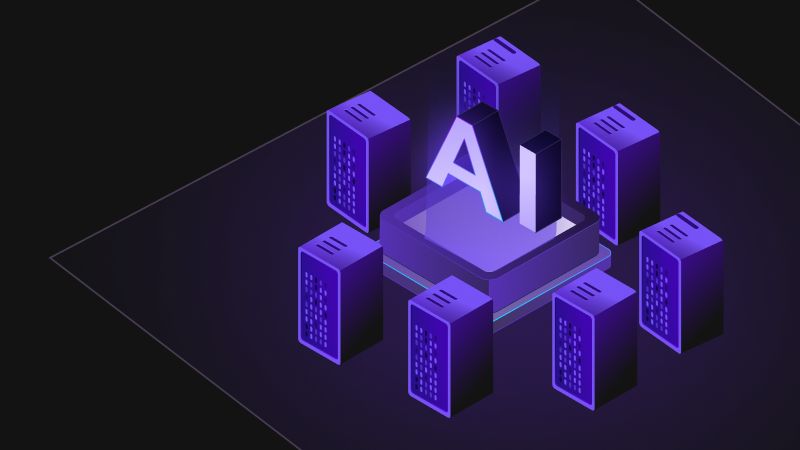
Anyone working in enterprise tech realizes that AI is no longer about experimentation. Across industries, organizations are moving from proofs of concept to systems that run continuously, influence decisions and interact directly with customers, employees and partners.
That shift is exciting, but it also forces a rethink of infrastructure.
Traditional environments were built to host applications, but AI systems behave differently. They require sustained access to large datasets, massive levels of computing power, and tightly integrated pipelines for training, fine-tuning, and inference. As a result, a new infrastructure model has begun to take shape: AI factory.
Also referred to as AI data centers, AI factory is faster than traditional data centers but also represents a new way of thinking about how AI is produced, operated, and secured. They’re quickly becoming a foundation for scalable enterprise AI.
In this article, we’ll explore what AI factory enable, why they matter for enterprise AI adoption, and how they change the way organizations approach performance, governance and risk.
Why Enterprise AI Needs a Different Foundation
Early enterprise AI initiatives often run on shared or repurposed infrastructure. That approach makes sense because it works when models are small, usage is sporadic and data sensitivity is limited.
But as AI becomes embedded into core business processes, all of that breaks down. Enterprise AI systems tend to:
- Run continuously rather than in smaller batches
- Rely on repeated access to large, high-value datasets
- Evolve constantly as models are retrained and refined
- Support multiple internal teams and downstream applications
All of these factors place pressure on infrastructure that wasn’t designed to support the kind of AI workloads we see today. Bottlenecks emerge; costs become unpredictable (and often get out of control), and operational complexity increases.
AI factory is designed to address these challenges with infrastructure that’s directly aligned with how enterprise AI actually operates.
What Makes AI Factory Different?
An AI factory is essentially a purpose-built data center designed for the full AI lifecycle. Rather than treating AI as one workload among many running within traditional on-prem or cloud-based infrastructure, AI factory treats intelligence as the primary output.
This shows up in how AI factory is designed and operated:
- Compute is accelerator-first rather than CPU-first
- Data pipelines are optimized for repeated access rather than occasional queries.
- Orchestration and monitoring are built around model performance, not just system uptime.
The relevance of AI factory extends well into the enterprise. For organizations running multiple models across teams and regions, AI factory standardizes how AI is built and operated without forcing every use case into a one-off solution.
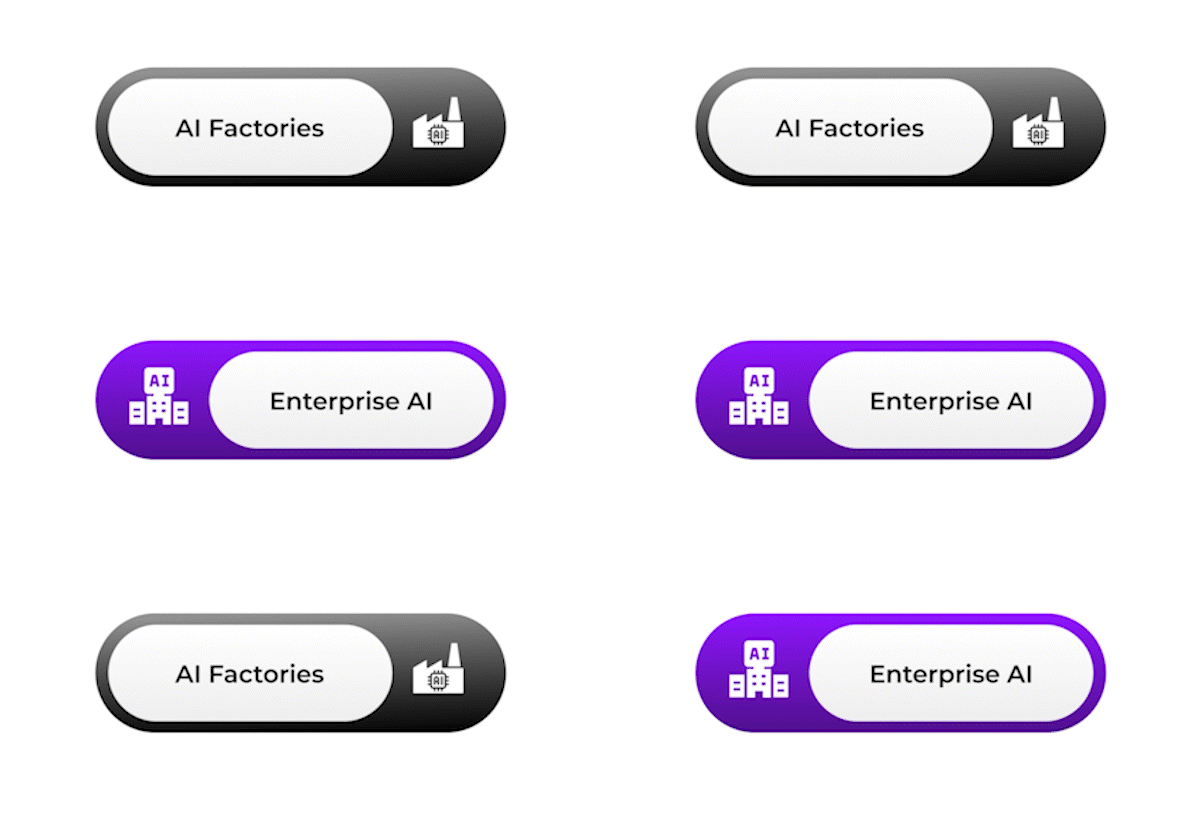
How Do AI factory Enable Enterprise AI at Scale?
AI factory creates higher levels of raw performance and consistency for enterprises rolling out AI initiatives.
Think about an enterprise just starting its AI journey. They often struggle because every team is building its own pipeline, managing its own data copies, and deploying models in different ways.
AI factory eliminates these redundancies with a shared foundation that makes AI repeatable across the enterprise. They give organizations four key benefits:
- They train and deploy models with standardized pipelines
- Infrastructure is shared across teams without sacrificing performance
- Development, operations and security hiccups are dramatically reduced
- AI usage can scale without needing to rebuild systems from scratch
This consistency is what excites enterprises about the AI factory. They allow teams to move beyond one-off success stories and make AI a durable capability.
Another crucial and defining characteristic of the AI factory is centralization.
To reduce latency and improve efficiency, AI factory often collocates data, models, and computes. This is a clear win from a performance perspective, but it creates new considerations for tech leaders.
When data and models are concentrated in a single environment, that environment becomes extremely valuable. It could contain private customer data, proprietary algorithms, or data protected by regulations such as PII, HIPAA, or CCPA.
The thing is that attackers know this as well.
But that doesn’t mean centralization is a mistake. It just means that enterprise AI requires stronger security and governance than traditional infrastructure needed in the past.
It’s Time to Rethink Security for Enterprise AI
- Attest that the Trusted Execution Environments are verified and have not been tampered with
- Deploy their encrypted AI artifacts
- Securely release the key to decrypt the AI workloads and run them safely in the Confidential Computing environment
Unlock the Full Potential of Enterprise AI
As is often the case in tech, enterprise AI is only as strong as the infrastructure behind it.
AI factory shifts from treating AI as an experiment to treating it as a production system that requires purpose-built infrastructure, consistent operations and a more nuanced approach to security.
Key takeaways:
- AI factory is designed to support AI as a continuous capability
- Enterprise AI benefits from standardized, repeatable infrastructure
- Centralization improves performance but raises the stakes on governance
- Security must extend into runtime execution
- AI factory helps turn isolated AI efforts into enterprise platforms
As organizations look to expand their use of enterprise AI, AI factory provides a foundation that enables scale, consistency, and trust.
Ready to learn more about securing enterprise AI?
As AI grows in importance, so does the need to protect sensitive data and models throughout their lifecycle.
To explore approaches for securing AI factory and enabling enterprise AI with verifiable trust, request a demo or contact us to see how this would look in your environment.