How Tokenization Can Strengthen Data Security Across Your Enterprise

Your business depends on customer info, payment details, health records, and trade secrets. A single breach can undo years of work. Stolen data can trigger lawsuits, heavy fines, and a loss of trust that’s nearly impossible to rebuild. And it’s not always hackers on the outside. Mistakes or misuse inside your own company can be just as damaging.
Take a recent example that shows how quickly customer trust can be wiped out. Nearly 1.4 million Allianz Life customers in the U.S. had sensitive information exposed due to a social engineering scam. That one attack hit hard and fast (The Economic Times).
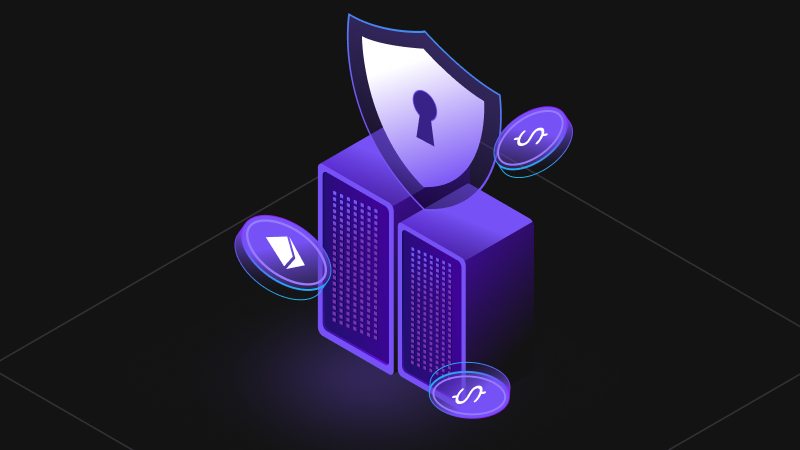
Tokenization steps in before things go wrong. It replaces real data with harmless tokens that mimic the original but can’t be used or traced back. Even if someone steals them, they reveal nothing. The real information stays accessible to systems or people you approve.
What is Tokenization?
Tokenization swaps out real data for a fake placeholder (token). There are two main approaches:
Vault Tokenization
The real data is stored securely in a separate system (vault), and only authorized systems can switch the token back to access the original value.
Format-Preserving Encryption (FPE)
Use cryptographic algorithms to create tokens that maintain the same format as the original data, without requiring a separate vault for storage and retrieval.
Here's a comparison of both methods:
| Real Data | Vault Token Value | FPE Token |
|---|---|---|
| 4567 1098 2345 5432 | TK-984511 | 8291 4567 9823 1045 |
| Mary Moran | TK-173095 | Jane Smith |
| 07/14/1890 | TK-009451 | 03/22/1847 |
If attackers steal the tokens, they will not gain anything meaningful because vault tokens cannot be reversed without access to the secure vault, and FPE tokens cannot be reversed without the encryption keys.
Why Tokenization is More Than Just Encryption
People often confuse tokenization with encryption. Both hide data, but they work differently.
| Feature | Tokenization | Encryption |
|---|---|---|
| How it works | Replaces data with a random token | Scrambles data using a key |
| Can be reversed with? | Only with token vault access | With the encryption key |
| Format preservation | Yes (token can look like original format) | No (scrambled text looks random) |
| Compliance benefits | Often reduces compliance scope | Full scope still applies |
Encryption works by scrambling data so it can only be read with the right key. It’s effective, but it also means the security of that data depends on keeping the key safe. If an attacker gets hold of the key, they can unlock the data and read it in full.
Tokenization takes a different approach. The original data isn’t stored in your system at all. Instead, it’s replaced with a token, a placeholder with no real value. The actual information is stored separately in a secure vault. If someone breaches the system, all they see are these tokens, which can’t be turned back into the original data without access to the vault.
When Should You Use Tokenization?
Tokenization is helpful when you need to store, process, or share sensitive data but want to reduce the risk of exposure.
Using Tokenization to Strengthen Data Security
1. Data without value can’t be held for ransom
Ransomware attacks follow a predictable pattern: someone gains access to your systems, locks them up, and threatens to release or sell your data unless you pay. The entire business model relies on the stolen information having value. Tokenization takes that value away. If attackers only get tokens instead of the real data, they have nothing to sell or leak and no bargaining power. This flips the script, leaving the attackers with useless files and removing the pressure to pay a ransom to protect your customers or reputation.
2. Tokens travel safely across borders
There are several geo-compliances to be met when data is shared across different countries. Organizations transferring personal information beyond national borders must strictly meet the international laws. For example, the EU privacy laws such as GDPR or Schrems II or data localization rules in APAC regions. Tokenization solves this by replacing sensitive details with tokens before they leave the country. The receiving team or system can still work with the data in its usual format, but the actual personal information never leaves its jurisdiction. Your business can collaborate globally without tripping over complex and costly regulatory hurdles.
3. Reduces the “honeypot effect”
Hackers often go after the biggest rewards. Your organization becomes a prime target if they know your systems hold thousands or millions of sensitive records. This is what’s often called the “honeypot effect.” Tokenization changes the equation. Once you replace real data with tokens, those large datasets lose their appeal because there’s nothing useful to steal. You’re no longer storing the kind of jackpot that attackers invest time and money to break into. They’ll often move on to an easier, more valuable target.
4. Protects you from the “forgotten copy” problem
Over time, data tends to scatter. A copy ends up in a test database, another in an old backup, and sometimes in a spreadsheet sitting on a shared drive for years. These forgotten copies are dangerous because they’re often overlooked in security audits and might not be as well-protected as your central systems. Tokenization neutralizes this risk from the start. If the data was tokenized when created, even a misplaced or ignored copy contains nothing an attacker can use. What might have been a ticking time bomb becomes just another harmless file.
5. Stops data misuse inside your walls
Not every threat comes from outside. Employees or contractors misuse information through curiosity, poor judgment, or deliberate action. Tokenization limits the damage they can do by giving them only the data they need to work with, not the real values. For example, a customer service agent might see a tokenized credit card number in the correct format for their workflow, but they won’t have it unless their role and permissions allow it. This adds a fundamental layer of control over who can see the real data, and when.
Final Thoughts
On a final note, the safest data is the data that isn’t left in a usable form. Tokenization makes this possible, allowing systems and workflows to operate as usual while keeping real information out of reach. It removes the leverage behind ransomware, protects forgotten files from turning into future breaches, and limits what even trusted insiders can see. By stripping sensitive data of value before it leaves your hands, tokenization strengthens data security.